Remote monitoring industrial plants
- Real-time insight
- Reliable data
- Efficient monitoring
Continuous process insight through remote monitoring
Remote monitoring industrial plants enables remote monitoring and analysis of processes, installations and systems. Integrating remote monitoring into industrial automation provides continuous insight into performance, faults and process values, without physical presence on site. This is especially valuable with distributed assets and installations that are in continuous operation. With industrial monitoring, data from PLCs and sensors are collected and made available for analysis and visualization. Thus, remote monitoring supports stable operations and targeted optimization of industrial processes.

Paneelbouw Pioniers voor Machinebouw
Met de precisie van een horlogemaker en de souplesse van een acrobaat, zet Gerbin Control zich in voor het creëren van maatwerk elektrotechnische panelen voor de machinebouw. Als veerkrachtige speler in de paneelbouw, schakelen we snel, zonder in te boeten op kwaliteit of duurzaamheid. Stap in onze wereld van innovatie en ontdek hoe we uw machinebouw-projecten naar een hoger niveau kunnen tillen.
OPEN CALCULATIE
Krijg duidelijkheid in kosten en flexibiliteit in uitvoering
OFFERTE IN 5 DAGEN
Wij begrijpen de urgentie van uw projecten
VERDUURZAMING
Toegewijd aan een duurzamere toekomst
UL/CSA
UL / CSA certificering voor uw panelen in huis.
What is remote monitoring for industrial plants
Remote monitoring for industrial plants is the remote collection, processing and visualization of process and status information. Through remote monitoring PLC links, data from machines and plants are made available to operators and technical management. Industrial monitoring focuses on the continuous tracking of parameters such as temperatures, pressures, states and alarms. Through data logging systems, this data is stored, providing insight into trends and deviations and enabling targeted optimization.
Important standards and guidelines
NEN-EN 60204-1 and NEN-EN 61439
NEN-EN 60204-1 describes requirements for the electrical equipment of machinery and provides a basis for safe integration of monitoring components. NEN-EN 61439 applies to control cabinets incorporating PLCs, communication equipment and power supplies for remote monitoring. These standards ensure reliable and safe hardware assembly.
EN ISO 13849-1 and ATEX 114
When remote monitoring is part of safety functions, the PL methodology from EN ISO 13849-1 is used. In potentially explosive environments, monitoring is applied in accordance with ATEX 114. This takes into account zone classification and suitable component selection, with no certification claims outside the scope.
CONTACT US
Applications in industry
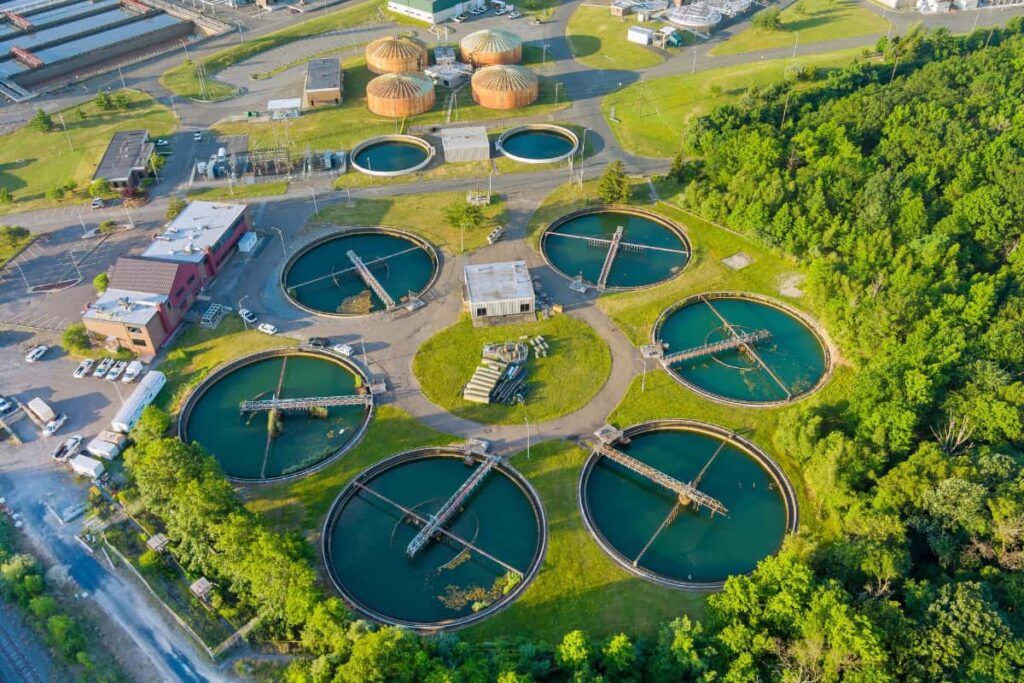
Remote monitoring is used in diverse sectors such as industry, infra & water management and smart infrastructure. Think of pumping plants, production lines and technical installations in locations that are difficult to reach. Industrial monitoring makes it possible to follow installations centrally, identify failures early and plan maintenance better.
Benefits of remote monitoring for industrial plants
- Real-time insight into process status
- Faster fault diagnosis
- Historical data via data logging systems
- Fewer physical inspections
Combining insight with data analysis creates more control over processes and performance.
The process from design to commissioning
The process starts with determining the desired monitoring functionality and data. During engineering, architecture and interfaces are worked out, often with PLCs, HMI or SCADA. After implementation, a functional test and a Factory Acceptance Test follow. During commissioning, a Site Acceptance Test verifies that remote monitoring functions correctly within the installation.
Years of experience in the field of industrial automation
Efficiency and reliability in industrial automation
With Gerbin Control as your partner, you benefit from several specific advantages. We strive for reduced Total Cost of Ownership (TCO) and offer electrical components that meet the highest standards. In addition, we combine flexibility with competitive pricing, increase the efficiency of your systems and machines, and have an international network and UL/CSA certification.
Gerbin Control as a partner for remote monitoring in industry
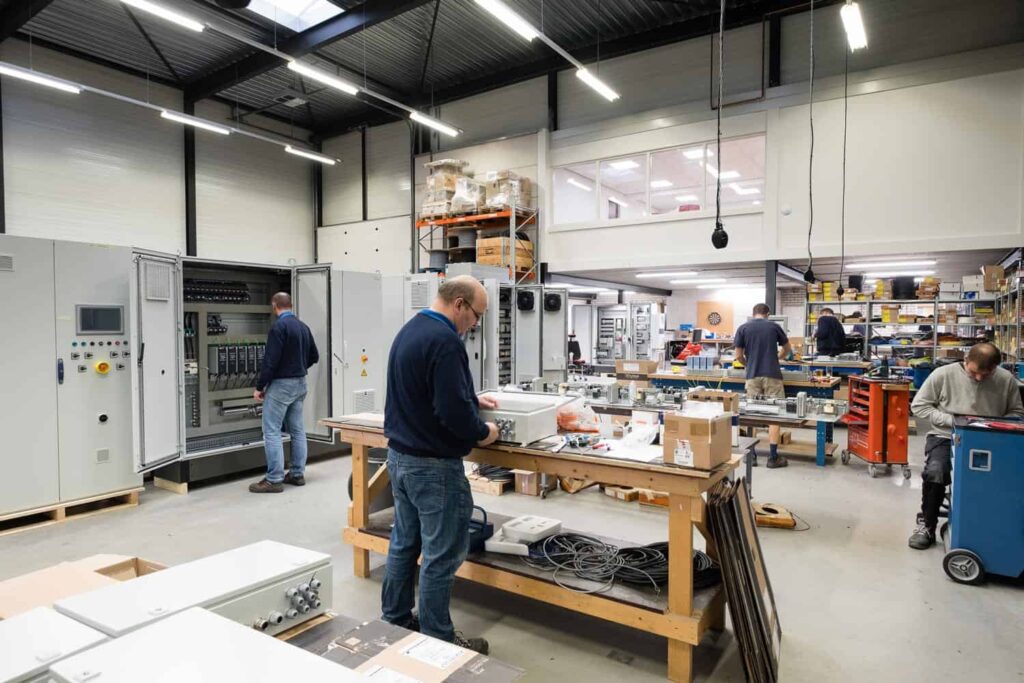
Gerbin Control helps companies set up and integrate remote monitoring for industrial plants as part of their automation solution. With expertise in software engineering, hardware engineering and panel building, monitoring solutions are designed to connect to existing PLC, HMI and SCADA structures. Here, we work in accordance with standards such as NEN-EN 61439 and NEN-EN 60204-1, paying attention to a reliable and safe hardware structure.
With experience in sectors such as industry, infrastructure & water management and smart infrastructure, Gerbin Control supports projects from design to commissioning. Monitoring functionality is tested during FAT and SAT so that insight and reliability are guaranteed from the start. Contact us for substantive advice on the deployment of remote monitoring within your installation.
Frequently asked questions about remote monitoring for industrial plants
What are the benefits of remote monitoring in industry?
Remote monitoring provides real-time insight into the status and performance of installations. As a result, abnormalities can be recognized more quickly and targeted action can be taken. This leads to less unplanned downtime, better maintenance planning and more efficient use of resources. In addition, data logging makes it possible to analyze processes and make structural improvements.
How does remote monitoring via PLC systems work?
In remote monitoring PLC systems, process data is read from the PLC and made available over industrial networks. This data can be displayed on HMI or SCADA systems and viewed externally if necessary. Monitoring focuses on status information, alarms and measured values, without having to apply direct remote control.
What data is captured with data logging systems?
Data logging systems store process values, alarms and trends over an extended period of time. This could include temperature, pressure, flow rate or component run times. Analyzing this data provides insight into performance, wear and tear and deviations within the installation.
What is the difference between SCADA and remote monitoring?
SCADA systems provide comprehensive visualization and control of processes, often onsite or within a central system. Remote monitoring focuses primarily on remote visibility of data and status information. In practice, SCADA and remote monitoring often complement each other.
Is remote monitoring suitable for existing installations?
Remote monitoring can be added to existing installations in many cases. By linking to existing PLCs and sensors, expansion is possible without major modifications. The feasibility depends on the available hardware, network infrastructure and desired functionality.
